fbpx

Quiet Warnings: Early Hip Symptoms That Signal It’s Time to Consider Replacement Surgery

Quiet Warnings: Early Hip Symptoms That Signal It’s Time to Consider Replacement Surgery

Introduction

Hip pain and discomfort can develop slowly over time or sometimes appear suddenly, but not all symptoms are easy to spot or understand. Being aware of these subtle as well as obvious signs can make a real difference in recognising when it’s time to seek help. This article is designed to guide you through the early warnings that may suggest a hip replacement could be necessary. With hip problems becoming more common, specialist advice from experts like Professor Paul Lee and the team at MSK Doctors can offer professional, compassionate support to those unsure about their next steps.

Understanding Hip Joint Health and Common Causes of Pain

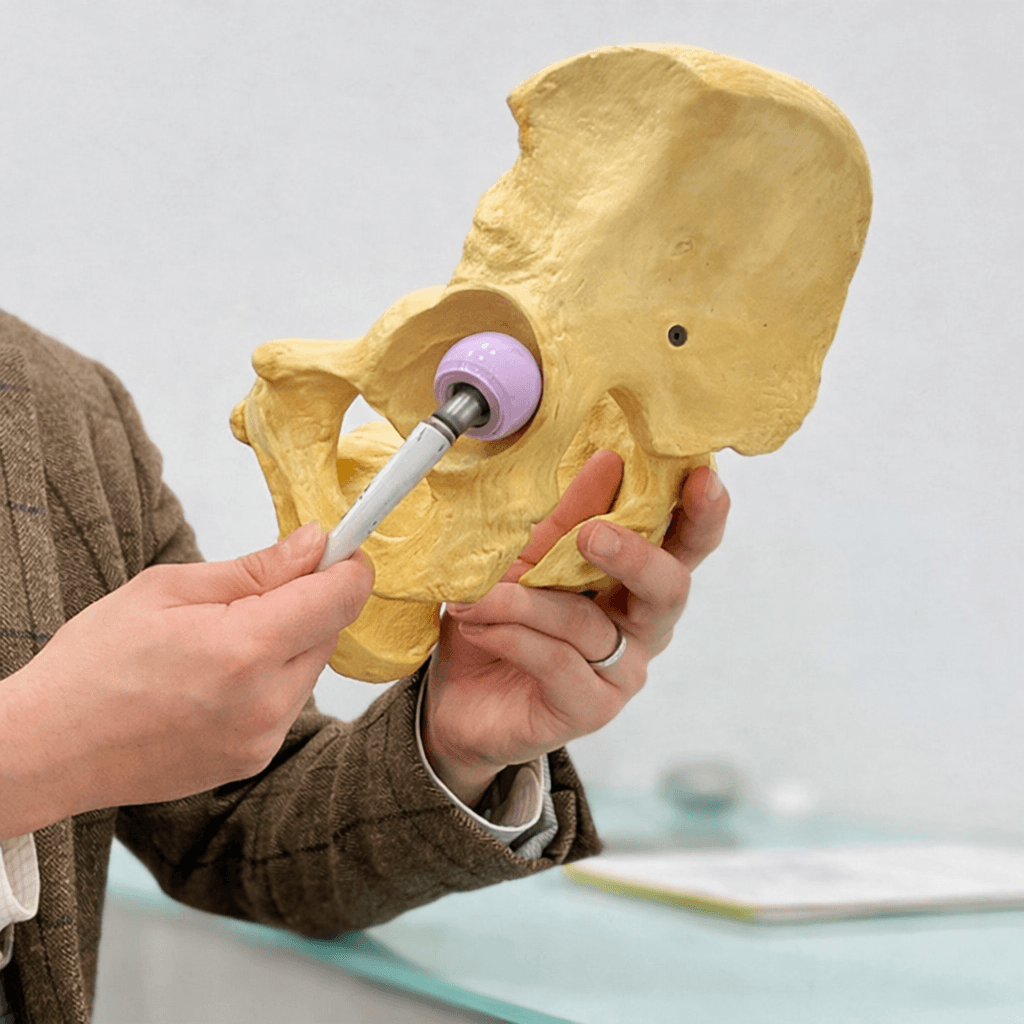
The hip is one of the body’s most important weight-bearing joints, vital for everyday movement like walking, climbing stairs and getting up from a chair. It’s a ball-and-socket joint, where the top of the thigh bone fits neatly into the pelvis, cushioned by cartilage that allows smooth, painless movement.

Changes in this joint can lead to pain and discomfort. Common causes include arthritis, bursitis and degenerative wear and tear. Arthritis causes inflammation and breakdown of cartilage, leading to stiffness and pain. Bursitis is inflammation of small fluid-filled sacs near the joint that help reduce friction – when these swell, they can cause aching and tenderness.

As explained by Lee and colleagues (2019), “the biomechanics study of the hip aims to understand and explore the dynamic principles of weight transfer through the hip joint.” In simple terms, this means understanding how forces move through the hip helps doctors understand why pain occurs, and how to treat it. Early signs such as pain felt around the joint, stiffness and specific symptoms like female hip bursitis must be taken seriously to prevent further deterioration.

Recognising Early Warning Signs and Symptoms

Early hip trouble often shows up as ongoing discomfort or stiffness, especially after sitting or resting for a while. You might notice the pain worsening during the night or find it harder to carry out everyday movements like bending or walking.

Some symptoms need closer attention, particularly if you experience pain on the left hip at night, throbbing sensations without injury, or sudden unexplained hip pain—especially in women. These could point to deeper issues rather than just muscle aches.

Here are key signs of hip bursitis to watch out for:

  • Sharp or aching pain on the outside of the hip that gets worse with movement
  • Tenderness when pressing on the hip area
  • Swelling or warmth around the joint

Early symptoms of a deteriorating hip often also include a grinding feeling, restricted flexibility, and chronic discomfort. Since these symptoms sometimes overlap with milder conditions like bursitis, persistent or worsening pain should always be checked by a healthcare professional. As Lee et al. (2019) highlight, “it is essential to have good knowledge of the biomechanics of the hip to achieve better clinical results for patients.” With his extensive experience and the supportive team at MSK Doctors, Professor Paul Lee provides expert care tailored to your individual needs.

Key Signs Indicating the Need for Hip Replacement

As the hip joint wears down, certain signs tend to indicate that more advanced treatment, such as hip replacement surgery, may be necessary. These include a significant loss of movement, pain so intense that it limits day-to-day activities, and situations where usual painkillers or therapies no longer help.

According to Miles and Briggs (2011), “pain, stiffness, and loss of function remain the primary indicators of the need for hip surgery.” Hip replacement is often the treatment of choice for a variety of degenerative hip disorders. While advances in implant design and surgical techniques continue to broaden who might benefit from surgery, it is important to carefully balance the risks against the potential benefits (Miles & Briggs, 2011).

Surgical success heavily depends on understanding hip biomechanics, as “understanding of the biomechanics of the hip has led to the development of materials, design and fixation of implants” (Lee et al., 2019). This knowledge allows surgeons to select the best implant and technique for each patient.

Despite these advances, access to hip replacement is not always equal. Milner (2004) points out that “there is an important unmet need for hip joint replacement in older people with marked inequalities in levels of need and use of services.” Awareness of these inequalities is crucial, both for those affected and for healthcare planners aiming to improve access for all.

If you notice hip pain at night—while rare, sometimes this can be a warning sign of more serious conditions—and other worsening symptoms, it is important to seek prompt medical advice. Understanding the difference between “what are the symptoms of a worn hip joint” and “do I need hip replacement or is it bursitis?” can help you take the right steps.

Managing Pain and When to Seek Professional Advice

If you’re waiting for an assessment or surgery, managing pain well can help you stay comfortable and maintain mobility. Simple measures like gentle stretching exercises, applying heat or cold packs, and avoiding movements that aggravate your symptoms can make a big difference.

Knowing how to relieve hip and leg pain overnight, and what activities might worsen hip bursitis, can improve your quality of life while you wait. However, these are temporary solutions—not substitutes for a full diagnosis and treatment plan.

Consulting experienced professionals like Professor Paul Lee and MSK Doctors ensures you receive personalised, evidence-based care. Early intervention can help protect your hip from further damage and guide you towards the most effective treatment.

Conclusion

Recognising early hip symptoms—from persistent pain and stiffness to trouble moving—is vital in considering whether hip replacement surgery might be right for you. Early evaluation by knowledgeable professionals such as Professor Paul Lee and the MSK Doctors team can lead to better outcomes and compassionate care.

For individual advice tailored to your situation, always consult a qualified healthcare professional.

References

Lee, Y.-K., Choi, J.H., Won, H., & Koo, K.-H. (2019). Biomechanics of hip and hip replacement arthroplasty. The Journal of the Korean Orthopaedic Association, 54(5), 377. https://doi.org/10.4055/jkoa.2019.54.5.377

Miles, J., & Briggs, T. (2011). Indications for hip replacement. In Oxford University Press. https://doi.org/10.1093/med/9780199550647.003.007001

Milner, P. (2004). Inequalities in accessing hip joint replacement for people in need. European Journal of Public Health, 14(1), 58-62. https://doi.org/10.1093/eurpub/14.1.58

Frequently Asked Questions

Common early signs include persistent discomfort, stiffness after resting, and difficulty with everyday movements. Professor Paul Lee and MSK Doctors recommend prompt professional assessment if experiencing such symptoms, as early intervention can be essential for optimal treatment and preserving hip health.

Hip bursitis often causes sharp or aching pain on the outside of the hip, tenderness, swelling, or warmth. A worn hip joint generally leads to chronic pain, stiffness, and a grinding feeling. MSK Doctors, led by Professor Paul Lee, offer expert diagnosis and guidance.

Indicators include severe pain limiting daily activities, significant movement loss, and lack of relief from painkillers or therapies. At MSK Doctors, Professor Paul Lee’s expert evaluation helps determine if surgery is appropriate, based on individual needs and advanced clinical knowledge.

Gentle stretching, heat or cold packs, and avoiding aggravating movements can help temporarily relieve pain. Professor Paul Lee and the MSK Doctors team provide comprehensive, tailored advice to ensure your comfort and optimise your hip health during this period.

Professor Paul Lee is a renowned cartilage expert and Royal College of Surgeons Ambassador. He and the MSK Doctors team offer advanced, compassionate care, using the latest evidence-based techniques to ensure high-quality assessment and treatment for hip pain and related conditions.

Copyright Content © 2025 Lincolnshire Hip Clinic