fbpx

Protecting Your Hips: Exercises to Avoid After Replacement and the Path to Safe, Effective Rehabilitation

Protecting Your Hips: Exercises to Avoid After Replacement and the Path to Safe, Effective Rehabilitation

Introduction

Recovering safely after a hip replacement is essential for regaining your mobility and improving your quality of life. While exercise is a key part of rehabilitation, helping you rebuild strength and movement, some exercises can be risky in the early stages of healing. It’s natural to wonder which movements to steer clear of after surgery. This guide provides clear, patient-friendly advice based on the expertise of Professor Paul Lee and the team at MSK Doctors, who specialise in orthopaedic care and safe rehabilitation.

Understanding the Healing Hip

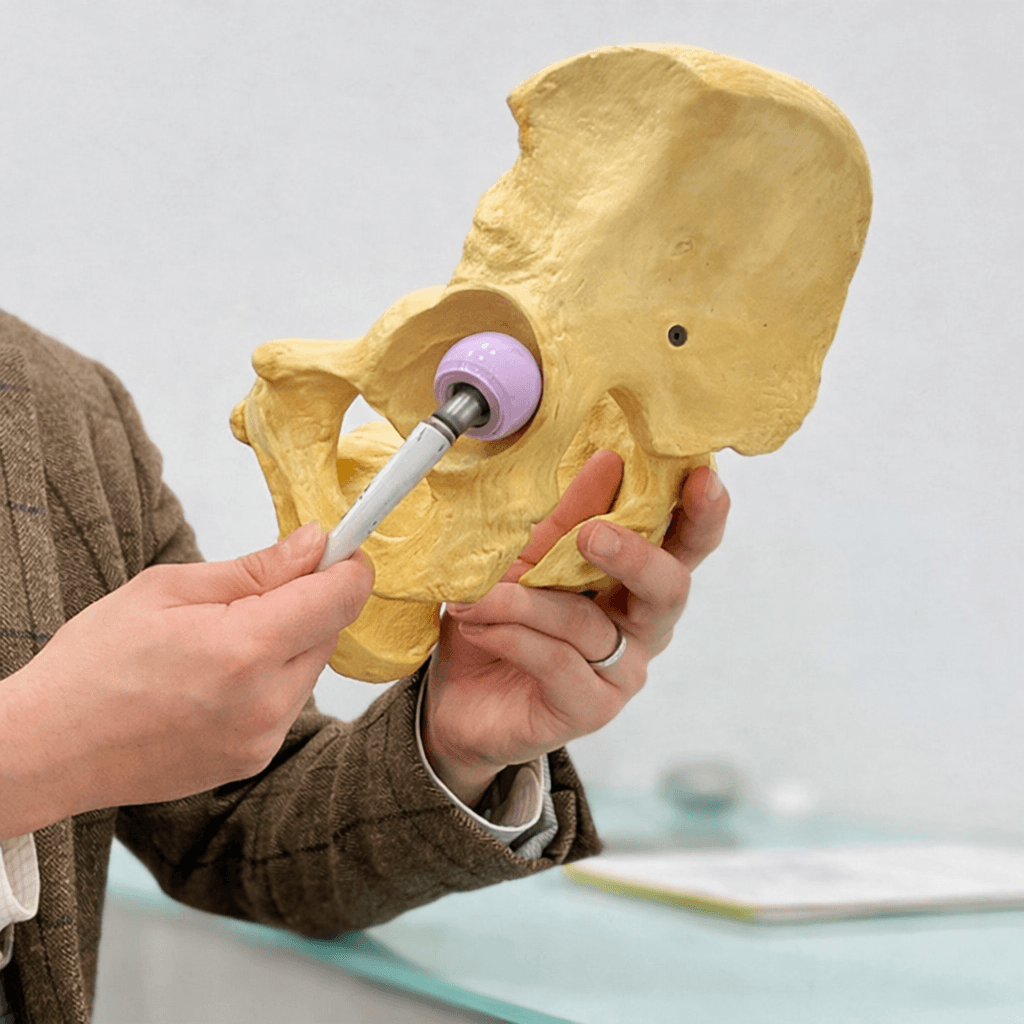
A hip replacement involves removing damaged bone and cartilage and replacing them with an artificial joint. After surgery, your body needs time to adjust and heal around the new implant. During this healing phase, certain movements may place too much stress on your hip and could cause problems. It’s important to know which exercises are safe at different stages of recovery and which activities should be avoided permanently to protect your new hip. As one study highlights, “Total hip replacement surgery (THR) is an effective and increasingly common treatment for hip pain and disability,” yet taking care during recovery determines your long-term success. Being aware of lifetime precautions for hip replacement in the UK can help maintain your quality of life.

Key Exercises to Avoid: When, Why, and What to Do Instead

Early Stage Restrictions

  • Deep squats or bending your hip more than 90 degrees: These positions put excessive load on the new joint.
  • Twisting or pivoting sharply on your operated leg: This can shift the implant out of position.
  • High-impact activities such as running or jumping: These place unnecessary shock on your healing hip.
  • Unsafe sleeping positions: For example, NHS guidance recommends using a pillow between your legs if sleeping on your side to keep the hip stable.

Mid to Long-Term Restrictions

  • Crossing your legs or feet when sitting: This might place strain on the hip joint, so aim for the best sitting position to protect it.
  • Lifting heavy objects too soon: Many ask, “When can I lift heavy objects after hip replacement?” Your physiotherapist will advise when it is safe.
  • Driving too early: Questions like “Can I drive two weeks after hip replacement?” are common. Driving is usually safe once your strength and reaction times have recovered.

Safe Alternatives and Modifications

Safe adaptations can help you stay active without risking your new hip. For example, gentle hip lifts instead of deep squats, and supporting your sleeping posture with pillows, can make a big difference. Research also shows that “Yoga can contribute to post-operative recovery, and a safe Yoga practice should be designed after rehabilitation” (Robold & Bauer, 2005). Another study confirms that “stretching gymnastic exercises are safe regarding forces, bending and torque for hip replacement patients, though support for balance may be helpful” (Haffer et al., 2021). Working with a physiotherapist ensures your exercises are personalised and safe.

Safe Choices for Lasting Recovery

After surgery, gentle activities that promote healing without overstressing the joint are best:

  • Walking at a comfortable pace: A simple yet effective way to stay active early on.
  • Physiotherapist-guided stretches and strength exercises: Tailored to your progress, these rebuild muscle and improve joint movement.
  • Water-based exercises: Exercising in a pool reduces joint pressure and discomfort, which is especially useful during early recovery.

Additionally, a meta-analysis highlights how specific programs like Otago exercise can be hugely beneficial by “reducing fear, improving balance and fall risk, promoting function, reducing joint swelling, and enhancing daily living” after hip replacement (Zhang et al., 2023). It’s also reassuring that “aerobic exercises without an aerobic board are safe in terms of forces acting on the hip joint” (Haffer et al., 2021), making them reliable options as you get stronger. Incorporating these exercises with professional guidance helps ensure you follow the “best exercise after hip replacement” and appropriate “exercises for hip replacement after 3 months,” helping maintain long-term success.

Long-Term Considerations and Lifestyle Reminders

Even when you’re fully recovered, it’s important to maintain good habits to protect your hip replacement for life. Avoid excessive twisting and deep bending movements permanently, and continue to follow professional advice regarding your exercise routine. This may include “total hip replacement exercises after 2 weeks,” “exercises after 6 months,” and “exercises for hip replacement after 1 year.”

Addressing everyday concerns — such as the safest way to sleep, sit, and drive — using NHS guidelines can prevent complications. Research also suggests that “a series of specific breathing exercises and Yoga poses can support post-operative recovery” (Robold & Bauer, 2005). Keep in mind that “aerobic exercises using a step board are not recommended during the early post-op period and should be adapted to your strength and coordination” (Haffer et al., 2021). Regular physiotherapy check-ups and ongoing care are key to maintaining hip function and enjoying an active life.

Professor Paul Lee and MSK Doctors: Support and Guidance

At MSK Doctors, Professor Paul Lee and his expert team provide dedicated care in a supportive environment. His academic and ambassadorial roles reflect a deep commitment to orthopaedic excellence and patient wellbeing. MSK Doctors design personalised rehabilitation programmes to make sure every patient receives the right guidance at every stage of recovery.

Conclusion and Responsible Disclaimer

Keeping your hips safe after replacement means understanding which activities to avoid and seeking expert advice. With cautious, guided exercise, you can regain mobility and enjoy a fulfilling life. Remember, professional advice is essential — always consult a qualified healthcare provider for personalised recommendations.

References

Robold, L., & Bauer, P. (2005). Yoga and Hip Replacement Surgery. International Journal of Yoga Therapy, 15(1), 65-80.

Zhang, J., Yang, Y., Zhang, X., & Ai, X. (2023). A meta-analysis of the effects of Otago exercise in patients after hip and knee replacement. Frontiers in Medical Science Research, 5(7).

Haffer, H., Popovic, S., Martin, F., Hardt, S., Winkler, T., & Damm, P. (2021). In vivo loading on the hip joint in patients with total hip replacement performing gymnastics and aerobics exercises. Scientific Reports, 11(1).

Frequently Asked Questions

Avoid deep squats, twisting movements, running, and unsafe sleeping positions early after surgery. The MSK Doctors team, led by Professor Paul Lee, provide expert guidance to ensure safe rehabilitation and help minimise the risk of complications during recovery.

Driving and lifting heavy items should be delayed until your physiotherapist advises it is safe. MSK Doctors offers individualised recovery plans, ensuring your return to daily activities is tailored to your progress under Professor Paul Lee’s orthopaedic expertise.

MSK Doctors, led by Professor Paul Lee—an internationally recognised cartilage expert and surgical ambassador—specialise in personalised rehabilitation, advanced medical knowledge, and a supportive environment, ensuring patients receive the highest standards of orthopaedic care and safe postoperative guidance.

Yes, gentle walking, water-based exercises, and physiotherapist-guided stretches are safe alternatives. MSK Doctors, under Professor Paul Lee’s supervision, ensure all suggested activities are adapted to your unique needs for a safe, long-term recovery process.

Continue avoiding deep bending and twisting movements, follow physiotherapist recommendations, and undergo regular check-ups. Ongoing support from MSK Doctors and Professor Paul Lee helps you adhere to safe habits for lifelong joint health following hip replacement surgery.

Copyright Content © 2025 Lincolnshire Hip Clinic