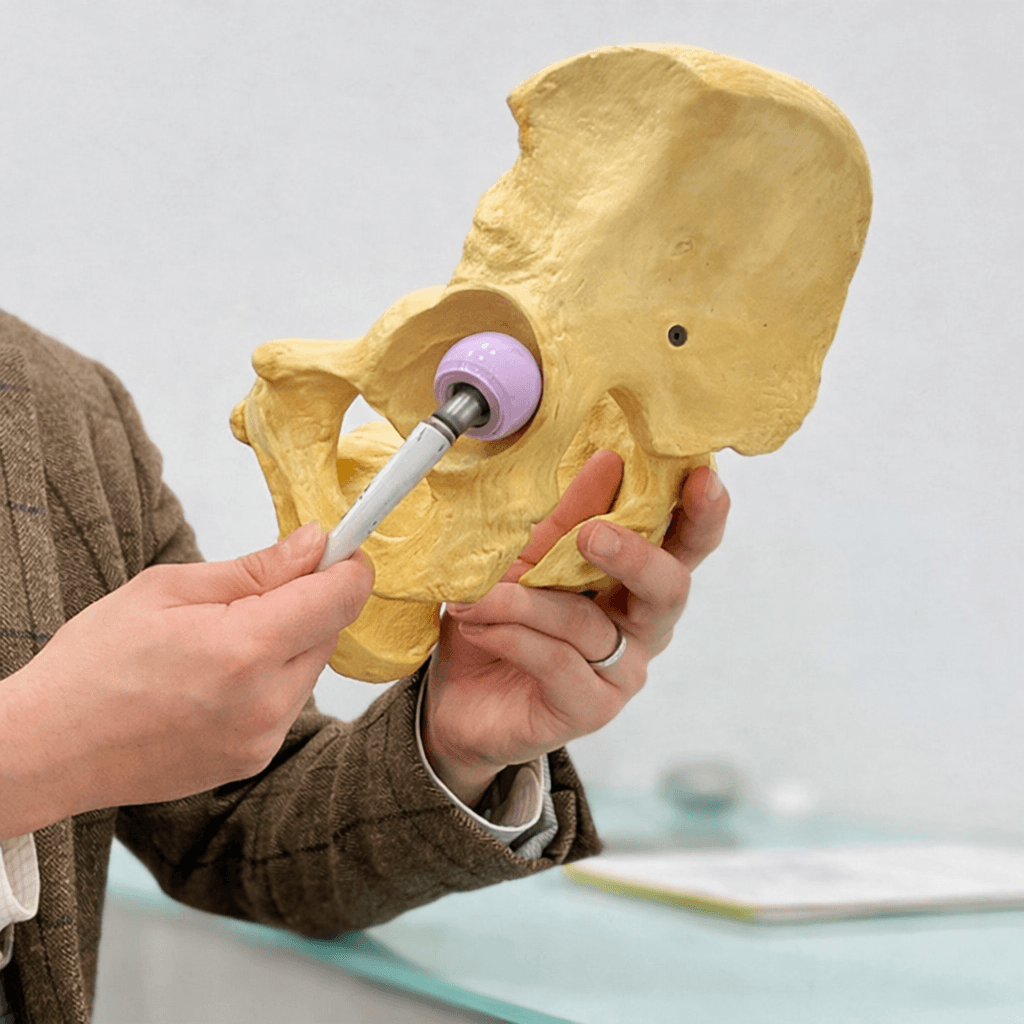
Introduction
Hip replacement surgery is becoming an increasingly common solution in the UK for those suffering from severe hip pain and restricted movement, often caused by conditions like osteoarthritis. With advances in medical technology and an ageing population, more people are opting for this effective treatment. However, many don’t realise how crucial it is to prepare well before the operation. Performing specific exercises before surgery can strengthen muscles, improve flexibility, and boost circulation, all of which help make the surgery smoother and speed up recovery afterwards.
In this article, we bring together the latest research and expert advice to help you prepare for hip replacement surgery. We also introduce Professor Paul Lee, a leading orthopaedic specialist, and the dedicated team at MSK Doctors, who provide compassionate care and expert guidance to patients on this journey.
How Pre Hip Replacement Exercises Help Your Recovery
There is strong evidence that doing tailored exercises before your hip replacement can really improve your recovery. These exercises build up the muscles around your hip, increase joint flexibility, and improve blood flow – all factors that contribute to better healing after surgery.
Besides the physical benefits, it’s important to recognise the psychological challenge of surgery. A notable review explains that “Hip or knee replacement is a major surgical procedure that can be physically and psychologically stressful for patients. It is hypothesised that education before surgery reduces anxiety and enhances clinically important postoperative outcomes.” In other words, understanding what to expect and preparing both your body and mind can make a big difference.
Many patients say they wish they had known earlier how much preparing beforehand influences post-surgery pain and mobility. Across the UK, official guidelines and resources – including NHS-endorsed routines and downloadable exercise PDFs – are helping more people prepare effectively, leading to quicker, less painful recoveries.
The Key Exercises You Should Do – and Those to Avoid
To get ready for hip replacement, it’s best to concentrate on exercises that are gentle but effective. This includes stretches that keep your hip flexible, such as hamstring and hip flexor stretches, strengthening moves like hip abductions and gluteal squeezes, and low-impact activities such as stationary cycling or swimming. These build muscle support without overloading the joint.
Some people also find yoga helpful. As explained by experts in yoga therapy, “a series of specific breathing exercises and asanas are provided” to support safe post-operative recovery. However, it’s essential to check that any yoga practice you try is appropriate for your stage of recovery and tailored to your individual limits.
On the flip side, it’s wise to avoid high-impact or strenuous exercises that could strain your hip or cause injury. Activities like deep squats or running are generally not recommended before surgery. The NHS offers clear advice on safe exercises to do before hip replacement, and clinical teams such as those led by Professor Paul Lee encourage following these trustworthy, evidence-based routines.
Coping with Pain and Limited Mobility Before Surgery
Waiting for a hip replacement can be frustrating, especially if pain is stopping you from walking or doing daily tasks as you’d like. Managing this discomfort while staying as active as possible is key to keeping your strength and independence.
Experts recommend adapting your exercises to what you can tolerate, focusing on gentle movements that increase blood flow without making pain worse. Simple methods like using heat or cold packs, taking prescribed pain relief, and pacing yourself throughout the day can also help. Keeping active in manageable ways supports both your physical and mental wellbeing during the wait. At MSK Doctors, Professor Paul Lee and his team offer personalised support to help patients manage pain and maintain a suitable exercise routine long term to prepare for surgery.
Preparing Your Body and Mind for a Successful Surgery
Getting ready for hip replacement isn’t just about the physical – your mindset matters too. Setting realistic goals, understanding the timetable for recovery, and keeping track of your progress can reduce worry and boost your confidence.
Integrating mind–body practices can be especially beneficial. Yoga therapists note how carefully designed movement and breathing exercises “contribute to post-operative recovery, and how to design a safe yoga practice after rehabilitation.” This approach encourages a balanced recovery, nurturing both the body and mind.
It’s always a good idea to seek personal advice from an experienced orthopaedic specialist such as Professor Paul Lee, who can tailor guidance to your individual needs. Combining professional medical advice with NHS recommendations ensures you’re doing the right exercises and mindset work for your unique situation. This holistic preparation strengthens your resilience and improves your chances of a positive outcome after surgery.
Conclusion
Thorough preparation through appropriate exercises is a powerful step to improve your hip replacement surgery experience and speed up recovery. Patients in the UK should seek tailored assessment and ongoing support from clinical experts like Professor Paul Lee and the MSK Doctors team. By combining focused exercise, effective pain management, and mental readiness, you can unlock greater mobility and enjoy a better quality of life after surgery.
For personalised medical advice, always consult a qualified healthcare professional.
References
Robold, L., & Bauer, P. (2005). Yoga and hip replacement surgery. International Journal of Yoga Therapy, 15(1), 65-80. https://doi.org/10.17761/ijyt.15.1.2q65660433262832
McDonald, S., Hetrick, S., & Green, S. (2004). Pre-operative education for hip or knee replacement. John Wiley & Sons, Ltd. https://doi.org/10.1002/14651858.cd003526.pub2
Frequently Asked Questions
Preparing with targeted exercises strengthens muscles, increases flexibility, and improves circulation, all of which make the surgical process smoother. At MSK Doctors, Professor Paul Lee provides expert guidance to ensure that patients are physically ready for a successful procedure.
Gentle strengthening and stretching exercises, such as hip flexor stretches and gluteal squeezes, are advised. High-impact activities like running or deep squats should be avoided. Professor Lee’s team at MSK Doctors tailors exercise plans for each patient’s unique situation.
Patients should focus on gentle, tolerable movements, using heat or cold packs and prescribed pain relief as needed. MSK Doctors, led by Professor Lee, offers tailored support to help manage pain and maintain strength safely during the waiting period.
Psychological readiness, including goal setting and understanding the recovery process, can reduce anxiety and boost confidence. Professor Lee and MSK Doctors provide holistic support, combining mind–body approaches with clinical expertise to support both mental and physical wellbeing.
MSK Doctors, led by cartilage expert Professor Paul Lee, offers advanced, personalised care. Professor Lee’s reputation as an RSA and Royal College of Surgeons Ambassador ensures patients receive high-quality, evidence-based support throughout their hip replacement journey.
Legal & Medical Disclaimer
This article is written by an independent contributor and reflects their personal opinions and professional experience. It does not necessarily represent the views of hipreplacementlincolnshire.co.uk. All guest submissions are published in good faith, and londoncartilage.com does not verify the accuracy of claims, the clinical content, or the legal ownership of any images or media submitted.
The content is intended for general informational and educational purposes only. It does not constitute medical advice and should not be used as a substitute for consultation with a qualified healthcare professional. Readers should not rely on the information in this article to diagnose or treat any medical condition. Always seek personalised medical guidance from a licensed clinician before making health-related decisions.
The responsibility for ensuring that all text, data, and images comply with copyright, privacy, and data protection laws lies solely with the article’s author. hipreplacementlincolnshire.co.uk takes no responsibility for third-party content and will act promptly to remove any material found to be inappropriate, inaccurate, or in breach of regulations.
hipreplacementlincolnshire.co.uk accept no liability for any loss, damage, or injury resulting from the use of or reliance on content published on this site. By accessing this article, you agree to these terms.
If you believe this content breaches any rights or contains inaccurate information, please contact us at [email protected].