Introduction
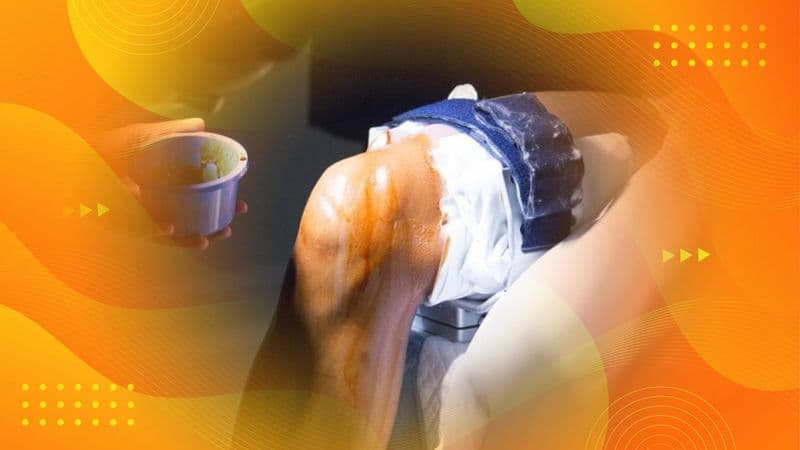
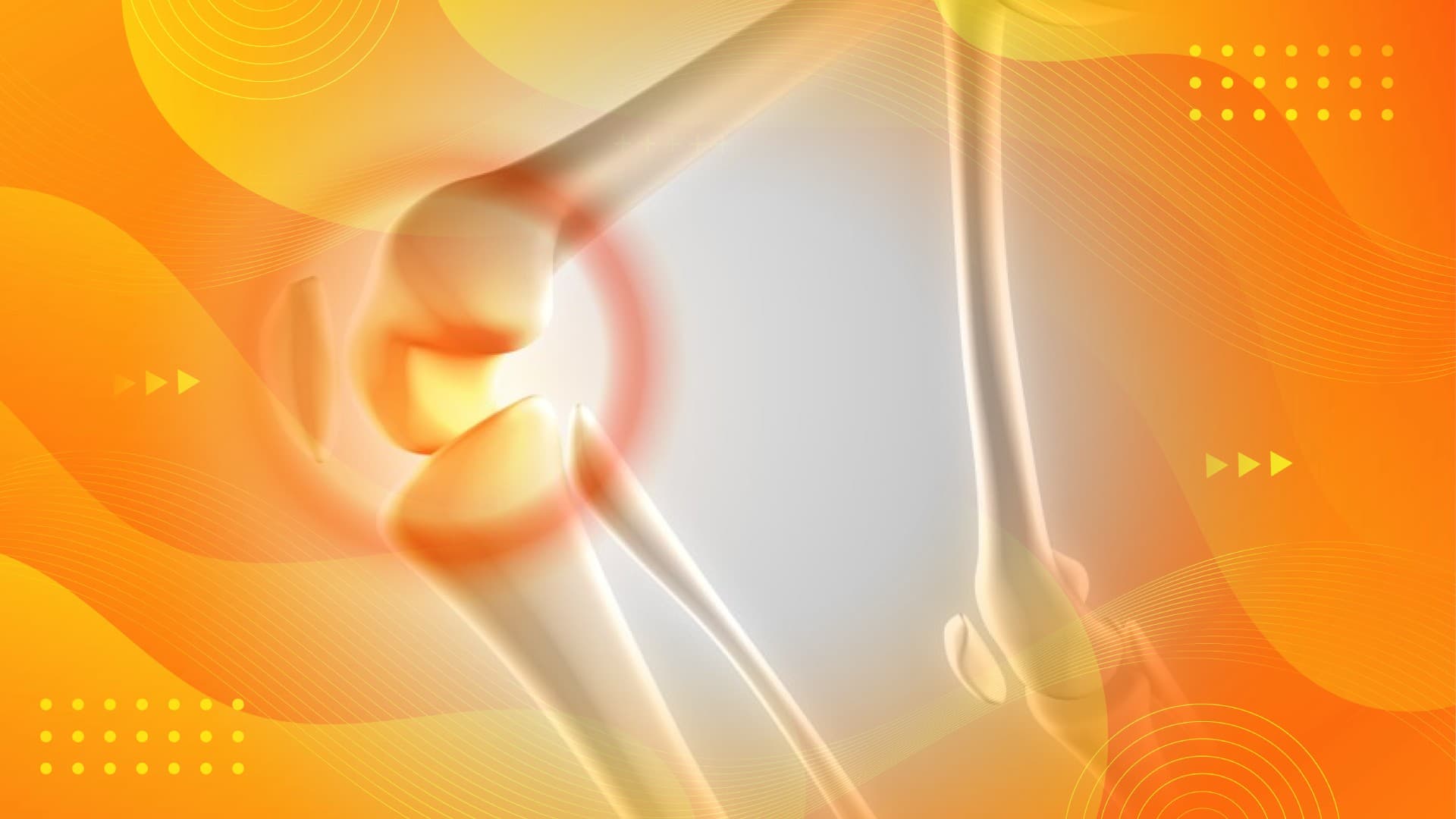
A chipped kneecap, also known as a patella fracture, happens when a small piece of the kneecap bone breaks off. These injuries are more common than you might think, often caused by falls, knocks, or sports injuries. While such an injury can be painful and worrying, knowing the signs and understanding how to manage it can make a big difference to your recovery. This guide is based on the latest UK medical advice and insights from musculoskeletal (MSK) specialists to help you identify and treat a chipped kneecap effectively.
Understanding a Chipped Kneecap: Causes and Common Symptoms
A chipped kneecap is different from a complete fracture. Instead of the whole kneecap breaking, only a small fragment cracks or breaks away. This difference matters because it influences the treatment and recovery process.
Typically, you can chip your kneecap from a direct blow, falling hard onto a bent knee, or sudden heavy impact—common in sports or accidents. It's also important to know about related injuries such as sleeve fractures and bone spurs.
As one study explains, "Bone spurs are abnormal projections of bone that include both osteophytes and enthesophytes." Enthesophytes form where tendons or ligaments attach to bone, which can sometimes fracture too. These are different to the more common patellar injuries and require distinct approaches.
Sleeve fractures, often affecting younger people, "usually occur in individuals involved in explosive acceleration activities such as jumping," and high-impact sports like skateboarding are now recognised causes.
If you have a chipped kneecap, typical symptoms include pain and swelling around the front of your knee, bruising, difficulty bending or straightening your knee, and tenderness. Spotting these early can help you seek timely care.
First Steps: Self-Assessment and Getting a Professional Diagnosis
If you think you’ve chipped your kneecap, start by carefully examining your knee. Check for any unusual shapes, swelling, bruising, or colour changes. Try to see if you can move your knee without too much pain.
To avoid making things worse before seeing a healthcare professional, keep your knee elevated and don’t put weight on it. Applying ice wrapped in a cloth may reduce swelling but avoid pressing directly on the injured area or trying to move your kneecap yourself.
A proper diagnosis is essential. An X-ray is the usual way for doctors to confirm the injury. As one case report points out, "The fracture is confirmed through X-rays AP and Lateral view." If you have severe pain, can’t put weight on your leg, or notice deformity, seek urgent medical attention.
UK services such as the NHS and General Practitioners are well equipped to provide the care you need.
Free non-medical discussion
Not sure what to do next?
Information only · No medical advice or diagnosis.
Treatment Pathways: What to Expect from Knee Cap Fracture Care
Once your injury is diagnosed, treatment usually focuses on easing pain and encouraging healing. Painkillers like paracetamol or ibuprofen are commonly recommended, taking into account what’s suitable for you.
Your knee may be supported with a brace or splint to protect the broken fragment and to limit movement that could cause pain. Elevating your leg and applying ice regularly are good ways to manage swelling.
You’ll likely be advised to avoid putting weight on the leg initially, using crutches if needed to reduce pressure on the knee and help healing.
Recovery times vary, but healing can take several weeks to a few months. During this time, physiotherapy or gentle exercises help restore movement and prevent stiffness.
It’s also good to remember that "Enthesophyte fractures should be treated using a conservative management approach focused on increasing range of motion, progressive resistance exercises and eccentric loading, alongside strategies to reduce joint strain." This approach highlights that physical therapy plays a key role alongside pain management.
Additionally, it's important to note that "Sleeve fractures of the patella in children usually occur in the inferior pole of the patella, very rarely in the superior pole. However, sleeve fractures of the patella mainly affect the superior pole in adults." This detail reminds us that treatment plans depend on the exact injury type and patient.
You’ll have regular follow-ups to check healing progress and adjust care if needed.

Professional Care and Support: Role of Specialist Teams
Recovering well from a chipped kneecap often depends on expert care. Specialist teams experienced in musculoskeletal injuries offer tailored, evidence-based treatment to support your recovery.
One expert, Professor Paul Lee, is well-known for his work in cartilage repair and brings valuable clinical experience to patient care in the UK.
MSK Doctors and similar teams provide high-quality care following the latest orthopaedic guidelines. Their specialists work closely to support patients from diagnosis through rehabilitation.
In more severe or complex cases, such as "Comminuted patellar fractures … often resulting from high-energy trauma," surgery may be necessary. Techniques like using a titanium claw plate have shown promise as an "innovative and effective treatment option," especially in younger patients.
Similarly, in certain adult sleeve fractures, "treated surgically via open reduction and internal fixation," surgery ensures that displaced bone fragments don’t impair knee function.
Even though such advanced treatments are uncommon for simple chipped kneecaps, knowing that these options exist provides reassurance that specialist teams can handle any injury complexity with care and precision.
Warning Signs and When to Seek Emergency Help
It’s vital to recognise when urgent medical help is needed. Watch out for worsening pain or swelling, inability to move or straighten your knee, or signs of infection like redness, warmth, or fever.
Always remember the importance of "when to see a doctor for a knee injury." Don’t delay in seeking care if you notice any of these warning signs.
Healthcare professionals are ready to guide you through recovery safely, so reach out if you have any concerns.
Closing
In summary, a chipped kneecap is a manageable injury, especially when you know the symptoms and act promptly. Early professional care, supported by expert teams and rehabilitation, can help you regain full knee function.
If you have a knee injury, don’t wait—seek advice to ensure the best possible outcome. Taking good care of your knees today protects your mobility for the future.
References
- Ben Driss, C., Erraji, M., Bensaghir, H., Oubejja, H., & Ettayebi, F. (2025). Management of a Comminuted Patellar Fracture in a Child Using a Titanium Claw Plate: A Case Report. Cureus. https://doi.org/10.7759/cureus.87083
- Pandit, D. K., Regmi, B., Subedi, D., & Jha, D. (2025). Management of inferior patellar sleeve fracture by ORIF with ortho cord suture: A case report. International Journal of Surgery Case Reports, 2025, 110875. https://doi.org/10.1016/j.ijscr.2025.110875
- Thompson, R., & Thompson, W. (2025). Fracture of a patellar enthesophyte. BMJ Case Reports, 2025, e263992. https://doi.org/10.1136/bcr-2024-263992
Frequently Asked Questions
- Typical symptoms include pain and swelling at the front of the knee, bruising, difficulty bending or straightening the joint, and tenderness. Early recognition helps prompt professional assessment, which MSK Doctors and Prof Lee excel at providing.
- MSK Doctors offer tailored, evidence-based assessments using X-rays and expert clinical exam. Prof Paul Lee’s extensive orthopaedic expertise ensures patients receive accurate diagnosis and a clear, individualised treatment plan from trusted specialists.
- Conservative care includes rest, ice, elevation, pain relief, and bracing. MSK Doctors and Prof Lee focus on personalised rehabilitation, using physical therapy to restore movement and reduce joint strain, while closely monitoring each patient’s recovery progress.
- Surgery is considered for complex or severe fractures, particularly those with multiple bone fragments or displacement. Prof Lee’s surgical experience and MSK Doctors’ access to advanced techniques ensure optimal care for more complicated cases if required.
- Prof Paul Lee is a renowned cartilage expert and leading Royal College of Surgeons ambassador. With MSK Doctors, patients benefit from an expert team, advanced diagnostic tools, and the highest standards of musculoskeletal care in the UK.
Legal & Medical Disclaimer
This article is written by an independent contributor and reflects their own views and experience, not necessarily those of Lincolnshire Hip Clinic. It is provided for general information and education only and does not constitute medical advice, diagnosis, or treatment.
Always seek personalised advice from a qualified healthcare professional before making decisions about your health. Lincolnshire Hip Clinic accepts no responsibility for errors, omissions, third-party content, or any loss, damage, or injury arising from reliance on this material.
If you believe this article contains inaccurate or infringing content, please contact us at [email protected].