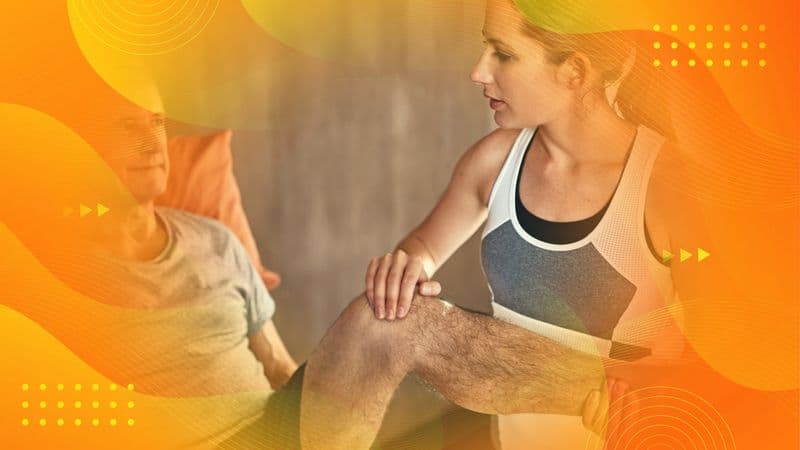
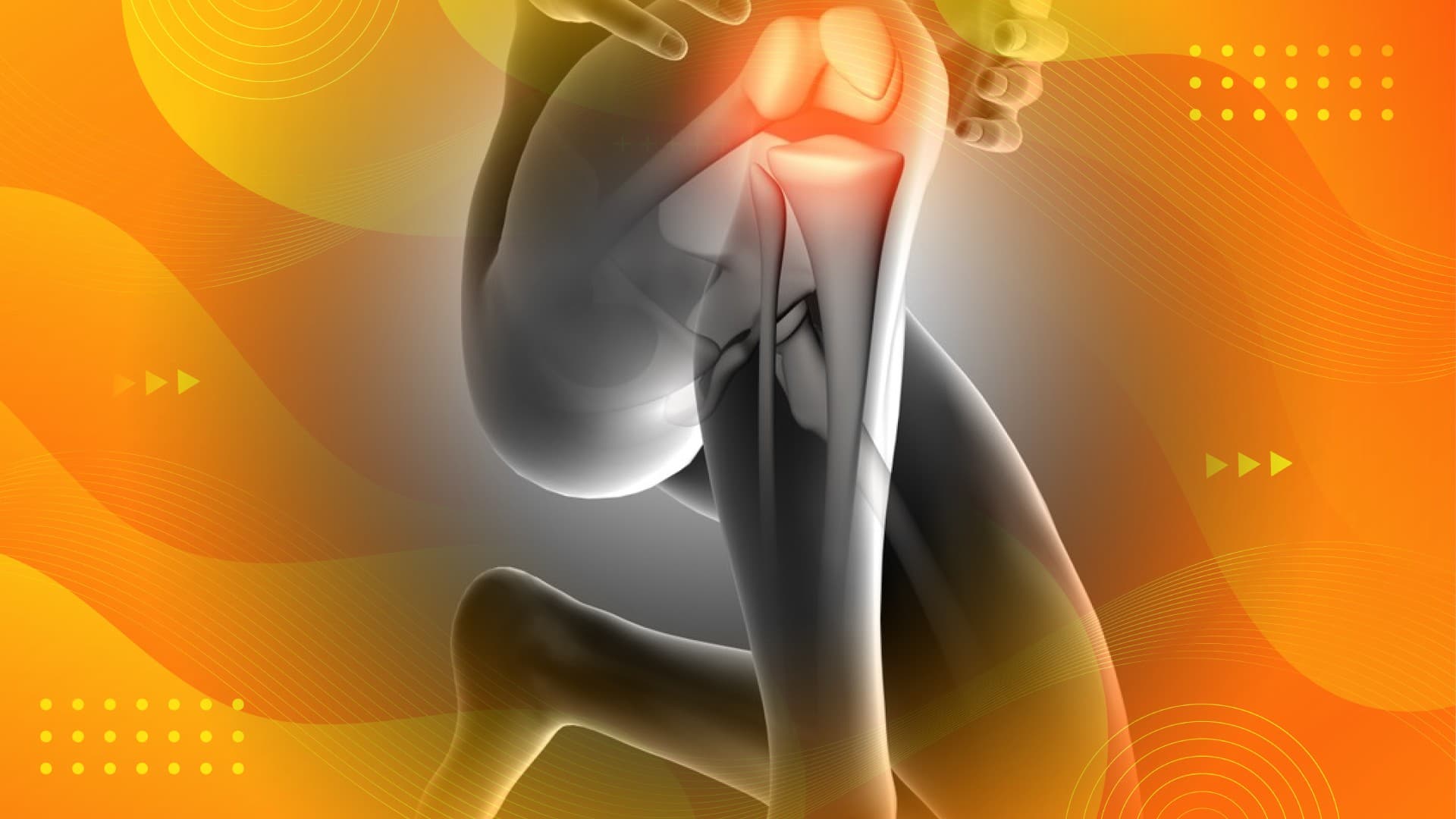
A patella fracture, more commonly known as a fractured kneecap, is a serious injury that can significantly impact mobility and everyday activities. For both patients and their families, having a clear understanding of the healing and recovery timeline is crucial to managing expectations and staying motivated throughout the rehabilitation process. While each person’s journey will be unique depending on their health and the nature of the injury, expert medical supervision is essential to ensure the best possible outcome. In this article, we will explore every stage of recovery after a patella fracture, share typical timeframes, and explain how expert care—like that offered by MSK Doctors and Professor Paul Lee—can help you regain knee function successfully.
Initial Injury and Early Management: Setting the Foundation for Recovery
Right after a patella fracture, symptoms usually include severe knee pain, swelling, bruising, and difficulty moving the leg. Diagnosis relies on a thorough examination and imaging tests such as X-rays or CT scans to pinpoint the exact fracture type and severity.
Deciding on treatment at this stage is critical. Stable, non-displaced fractures can often be managed without surgery, using a brace or cast to keep the knee immobilised. More severe or displaced fractures typically require surgery to properly align the bone fragments.
In complex situations, especially when implants are present from previous knee surgeries, the challenges are greater. As highlighted in recent research, “CT scans are vital for accurate injury definition and surgical planning” (Mansouri et al., 2025). This helps the medical team choose the best approach.
Early goals focus on reducing pain and swelling while immobilising the knee to protect the fracture. Patients usually wear a brace or cast for around 2 to 6 weeks and are often advised to avoid putting weight on the injured leg. Factors like age, bone health, and overall wellbeing can influence how this early phase unfolds.
The Healing Phase: What Happens Between Weeks 2 and 6?
Between weeks two and six, the body works hard to repair the fracture. Bone cells knit the broken pieces back together, while surrounding muscles and soft tissues begin their healing process.
During this period, patients generally notice a slower but steady reduction in pain and swelling. Under close medical supervision, gentle knee movements might be introduced to ward off stiffness and keep muscles engaged. However, it’s important to follow weight-bearing restrictions carefully to avoid harming the healing bone.
Patients are encouraged to rest, elevate the leg, and gradually increase movement as advised. Imaging will often be repeated to ensure the fracture is healing correctly. Early physiotherapy typically focuses on maintaining strength in muscles around the knee without stressing the injury.
A recent case study emphasises the importance of tailored therapy, noting that “an individually tailored physiotherapy program plays a key role in the treatment process and enables the patient’s gradual return to sports activity” (Chobot et al., 2026).
Rehabilitation and Regaining Function: Weeks 6 to 12
Once scans confirm the bone is healing—usually around six weeks—patients can move from strict immobilisation to a more active rehabilitation phase. This stage revolves around carefully restoring knee movement, muscle strength, and functional use.
Rehabilitation progresses in steps. It often starts with gentle range of motion exercises, then builds towards muscle strengthening and weight bearing as tolerated. Walking with support typically begins, gradually moving to full weight bearing.
Recovery speed varies from person to person and can be affected by other health issues or complications. That’s why professional guidance is crucial to help patients move safely through these stages. The experienced care given by MSK Doctors and Professor Paul Lee ensures rehabilitation is personalised and effective.
One recent report states, “this case demonstrates the complexity of rehabilitation. When carried out in the manner described below, it ensures a rapid return of the patient to pre-injury functionality” (Chobot et al., 2026).
Free non-medical discussion
Not sure what to do next?
Information only · No medical advice or diagnosis.
Long-term Recovery: Overcoming Residual Stiffness and Achieving Full Activity
After three months, many patients continue to work through stiffness and mild swelling even as their knee grows stronger and more flexible. Persistent, gentle physiotherapy and gradually increased activity are key to managing these lingering symptoms.
Returning to high-impact or athletic activities often takes longer—around 9 to 12 months—depending on individual healing and fitness levels. Patients are encouraged to engage in low-impact exercises and regular stretching to support ongoing improvement.
Even complex injuries can result in excellent outcomes. As one study observed, “anatomical reduction and rigid fixation enable early mobilization and excellent long-term outcomes” (Mansouri et al., 2025). Working closely with various healthcare professionals is also vital; “collaboration among various specialists is crucial in working towards this shared goal” (Chobot et al., 2026).
For those progressing more slowly, consistent follow-up and professional reassurance are invaluable. The ongoing support offered by Professor Paul Lee and the MSK Doctors team helps patients regain confidence and function over time.

Factors That Influence Recovery and Frequently Asked Questions
Many factors affect how quickly and fully someone recovers from a patella fracture, including age, bone quality, overall health, any related injuries, and how well rehabilitation is followed. Having access to consistent, expert medical care also makes a big difference.
In some cases, new surgical techniques help improve outcomes. For example, “the successful application of suture tape fixation for a patella fracture in a UKR patient demonstrates an effective alternative to metallic implants” (Rajani et al., 2025). This can be especially useful for patients with previous knee replacements.
Some common questions patients ask include:
- How long until I can walk unaided? Typically, partial weight bearing starts around six weeks, with unaided walking possible between eight and twelve weeks, depending on healing.
- What if my knee still feels stiff after six months? Stiffness at this stage is common. Continuing physiotherapy and specialist input can help improve movement.
- When can I return to sports? Most can ease back into sports or high-impact activities around nine months after injury, with careful guidance.
Regular communication with your healthcare team and trusting the rehabilitation process are essential to recovery.
Conclusion
Every patella fracture recovery is unique, but progress is achievable with the right support and care. Understanding the journey—from injury through to full rehabilitation—helps patients take control and remain hopeful. Seeking help from experienced professionals like Professor Paul Lee and the MSK Doctors team ensures a personalised approach that promotes the best recovery outcomes. With patience and expert guidance, regaining full knee function after a patella fracture is well within reach.
References
- Chobot, B., Dworak, K., Wachowska, M., Chmielowiec, J., Chludek, A., Dańda, K., Czyżewicz, Z., Trędota, N., Posid, D., & Lewczuk, M. (2026). Recovery after patella fracture - case report. QS Journal. https://doi.org/10.12775/qs.2026.50.68105
- Rajani, A. M., Dubey, R., Kulkarni, V. U., Desouza, C., & Mittal, A. R. S. (2025). Novel Technique for Fracture Fixation of the Patella Following Unicondylar Knee Replacement: A Clinical Case Report. Journal of Orthopaedic Case Reports, 15(1). https://doi.org/10.13107/jocr.2025.v15.i01.5176
- Mansouri, W., Darnaudet, J., Huguet, R., Fouasson-Chailloux, A., & Crenn, V. (2025). Case Report: Bicondylar conjoined Hoffa fracture with incarcerated patella. Frontiers in Surgery, 12, Article 1480070. https://doi.org/10.3389/fsurg.2025.1480070
Frequently Asked Questions
- MSK Doctors provides expert, tailored care throughout each recovery phase. With Professor Paul Lee’s guidance, rehabilitation programmes are individualised to maximise mobility, reduce complications, and ensure each patient receives specialised attention every step of the journey.
- Professor Paul Lee is a recognised cartilage expert, Regional Surgical Ambassador, and Royal College of Surgeons advisor and ambassador. His extensive expertise in complex knee conditions ensures advanced treatment, thorough patient support and the best possible outcomes for challenging injuries.
- Patella fracture recovery can be complex, especially after previous knee surgeries. Professor Paul Lee and MSK Doctors use advanced diagnostic tools and expertise to create bespoke rehabilitation plans, helping patients safely progress and avoid setbacks throughout each stage of healing.
- Yes, the team at MSK Doctors, under Professor Paul Lee’s leadership, provides ongoing physiotherapy, monitoring, and personalised support to help patients manage residual stiffness and regain knee flexibility, even months after injury, promoting confident and steady long-term recovery.
- Professor Paul Lee and MSK Doctors use the latest surgical techniques, such as suture tape fixation, especially for patients with previous knee replacements. Their advanced expertise ensures patients benefit from innovative treatments for optimal healing and knee function.
Legal & Medical Disclaimer
This article is written by an independent contributor and reflects their own views and experience, not necessarily those of Lincolnshire Hip Clinic. It is provided for general information and education only and does not constitute medical advice, diagnosis, or treatment.
Always seek personalised advice from a qualified healthcare professional before making decisions about your health. Lincolnshire Hip Clinic accepts no responsibility for errors, omissions, third-party content, or any loss, damage, or injury arising from reliance on this material.
If you believe this article contains inaccurate or infringing content, please contact us at [email protected].