Introduction
A chipped kneecap, also called a patella fracture, happens when the small bone at the front of your knee cracks or breaks. While it might seem like a minor injury, proper home care is crucial to ensure the bone heals well and to avoid long-term issues like stiffness or persistent pain. Following trusted NHS-recommended home care techniques can help you support the healing process, reduce discomfort, and gradually restore knee movement. This guide covers the essential steps of recovery: initial rest, safe mobility, managing pain and swelling, using supportive devices, and tips for comfortable living during your recovery.
The First Days: Immediate Care After a Chipped Kneecap
Right after your diagnosis, rest is key. Immobilising your knee with a cast or brace helps keep the bone steady so it can begin healing properly. Be sure to follow your doctor’s instructions carefully about how long and in what way to immobilise your knee.
To ease pain and reduce swelling, apply ice packs for 20 minutes several times daily. Always place a cloth between the ice and your skin to avoid frostbite. Elevate your leg above heart level whenever you can—resting it on pillows is ideal. Take prescribed pain medications exactly as instructed. When moving around, use crutches or other aids suggested by your healthcare team to protect your knee. It's normal to feel some discomfort and swelling during these first days, so try to stay positive knowing this is part of the healing process.
As noted in a recent clinical case, “the patient presented with significant knee swelling, limited range of motion, and pain following the accident,” highlighting typical early symptoms after a knee injury (Gangwani & Phansopkar, 2024).
Starting Gentle Movement and Exercises
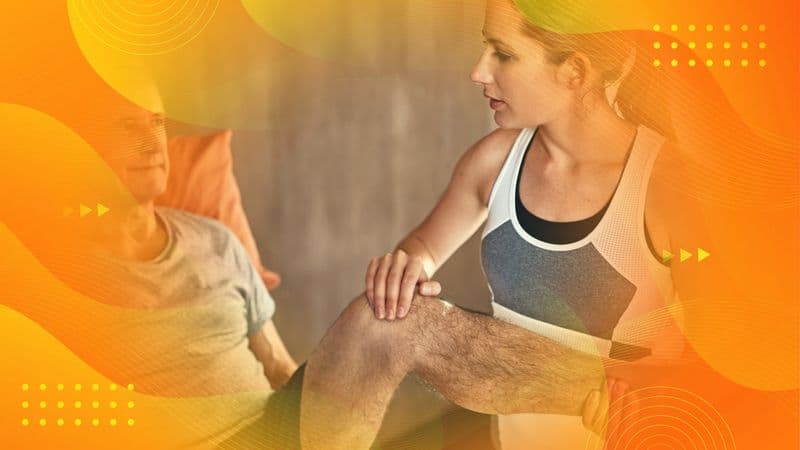
When your healthcare professional gives the go-ahead, beginning gentle movement and light exercises is vital to prevent your knee joint from becoming stiff. Start with simple exercises endorsed by the NHS, such as static quadriceps contractions where you tighten your thigh muscles without bending the knee, and ankle pumps that involve flexing and pointing your foot.
Add gentle range-of-motion exercises for the knee, keeping movements slow and pain-free. Aim to perform these exercises several times a day for a few minutes each session. Pay close attention to your body: if you experience sharp pain, swelling, or increased discomfort, stop right away and speak to your doctor. Recovery might feel slow, but steady, gentle progress is the key.
Research has shown that a “rehabilitation exercise programme was effective in improving function of patients' knee post patellar fracture and satisfaction with nursing care quality” (Mostafa et al., 2024).
Another report emphasises that “the programme progressed through three phases, steadily increasing the intensity and complexity of exercises,” showcasing how gradual rehabilitation benefits recovery (Gangwani & Phansopkar, 2024).
Free non-medical discussion
Not sure what to do next?
Information only · No medical advice or diagnosis.
Managing Pain, Swelling, and Everyday Challenges
Pain and swelling can continue for some time, so managing these symptoms remains important. Keep using ice packs and elevate your leg when swelling appears. If recommended, wear compressive wraps to help circulation and reduce inflammation.
Besides medication, try non-drug strategies such as relaxation techniques or gentle distractions to ease discomfort. When wearing a cast or knee brace, maintain good hygiene by keeping the area clean and dry, and avoid poking objects inside the cast. Regularly check for any pressure sores or skin irritation.
To sleep better, prop your leg up on pillows and lie on your back or on the uninjured side, with cushions supporting your knee. These small adjustments reduce strain on the injured area and help you get more restful sleep.

Monitoring Recovery and Knowing When to Seek Help
Most people notice steady improvement week by week: swelling reduces, pain lessens, and knee movement increases. However, it’s important to watch out for warning signs that need urgent medical attention. These include worsening pain despite medication, inability to move your toes, severe swelling or redness, warmth around the injury, or any discharge, which might signal infection.
Returning to regular daily activities should be gradual and guided by your healthcare team. Avoid rushing your progress—sticks closely to professional advice to ensure a safe and effective recovery.
The importance of carefully managed rehabilitation is clear: “the patient exhibited significant improvement in pain, swelling, range of motion, and muscle strength throughout the rehabilitation programme” (Gangwani & Phansopkar, 2024).
Similarly, it was found that “nearly half the patients had a fair Lysholm knee score by 1.5 months post-surgery, alongside high satisfaction with nursing care,” supporting the role of structured rehabilitation (Mostafa et al., 2024).
Support, Expertise, and Professional Care
Recovery from a chipped kneecap generally involves a team of specialists, including orthopaedic surgeons, physiotherapists, and rehabilitation experts. Professor Paul Lee is a leading figure in cartilage and orthopaedic rehabilitation, bringing valuable expertise and national leadership to this area of care.
At MSK Doctors, patients receive professional, compassionate support rooted in the latest best practices. For tailored recovery plans, always seek advice from reputable NHS providers or orthopaedic specialists. With the right guidance and commitment to your care programme, you can look forward to a confident and hopeful recovery.
This guide aims to help you and your carers understand and manage the chipped kneecap recovery journey with clear, practical advice that empowers and reassures every step of the way.
References
- Gangwani, N., & Phansopkar, P. (2024). Concurrent undisplaced patellar fracture and posterior cruciate ligament avulsion fracture managed with surgical fixation and rehabilitation: A case report. Cureus. https://doi.org/10.7759/cureus.64931
- Mostafa, N., Hashem, E., abdel aziz, m., & Ismael, M. (2024). Effect of rehabilitation exercise program on outcomes of patients undergoing patellar fracture surgery. Egyptian Journal of Nursing and Scientific Research. https://doi.org/10.21608/ejnsr.2024.282633.1370
Frequently Asked Questions
- Rest and immobilise your knee with a brace or cast, follow your doctor’s instructions, and use ice packs to reduce swelling. At MSK Doctors, expert care and advice from Professor Paul Lee ensures your recovery journey begins securely and confidently.
- Only begin gentle exercises when your healthcare professional approves. Professor Paul Lee, cartilage expert at MSK Doctors, recognises the importance of gradual, supervised movement to prevent stiffness and achieve effective rehabilitation in recovery from kneecap injuries.
- Continue using ice packs, prescribed medications, and elevation, along with non-drug strategies like relaxation techniques. At MSK Doctors, Prof Lee’s extensive experience ensures patients receive the best, evidence-based advice for managing discomfort safely and comfortably.
- Seek help if you have severe or worsening pain, swelling, redness, warmth, or any discharge near the injury. MSK Doctors and Professor Paul Lee guide patients in recognising these important signs and prioritise professional, personalised follow-up care.
- Professor Paul Lee is a renowned cartilage expert and Royal College of Surgeons Ambassador. MSK Doctors deliver specialist orthopaedic care, supported by national leadership and the latest best practices, ensuring every patient receives expert, compassionate rehabilitation support.
Legal & Medical Disclaimer
This article is written by an independent contributor and reflects their own views and experience, not necessarily those of Lincolnshire Hip Clinic. It is provided for general information and education only and does not constitute medical advice, diagnosis, or treatment.
Always seek personalised advice from a qualified healthcare professional before making decisions about your health. Lincolnshire Hip Clinic accepts no responsibility for errors, omissions, third-party content, or any loss, damage, or injury arising from reliance on this material.
If you believe this article contains inaccurate or infringing content, please contact us at [email protected].